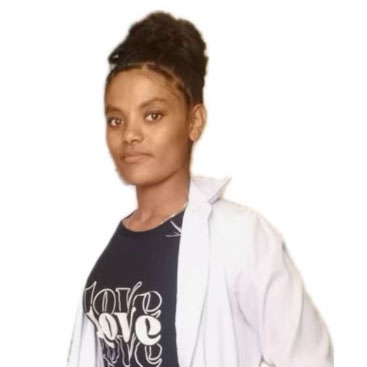
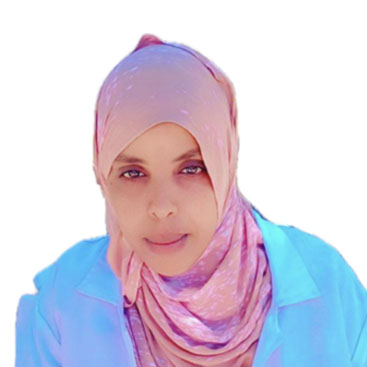
Anja Health Center, located in Shebe Woreda of Jimma Zone, Oromia Region, is currently led by Fetiya Oli, a 25-year-old diploma nurse who began her professional journey at the same facility. Despite her young age,...
Read MoreThe Healers to Leaders project is part of Amref’s Integrated Health Systems Strengthening program, which MaMeLa is implementing. It is an initiative designed to equip Ethiopian women in the healthcare workforce with the skills, knowledge and support necessary to succeed in leadership roles.
Women make up the majority of Ethiopia’s healthcare workforce, yet they remain vastly underrepresented in leadership. In response, as part of Amref’s Integrated Health Systems Strengthening (IHSS) program, MaMeLa is leading a transformative initiative to build the leadership capacity of women healthcare professionals across Ethiopia. The project focuses on empowering women through practical, community-based training and ongoing support, equipping them to take on decision-making roles. Through a comprehensive approach, MaMeLa is not only empowering individual women but also reshaping the leadership landscape in Ethiopia’s health sector. The project is paving the way for a more equitable, inclusive, and effective health system.
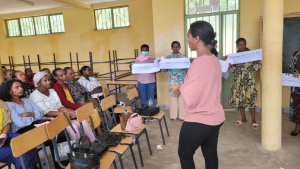
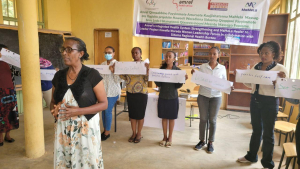
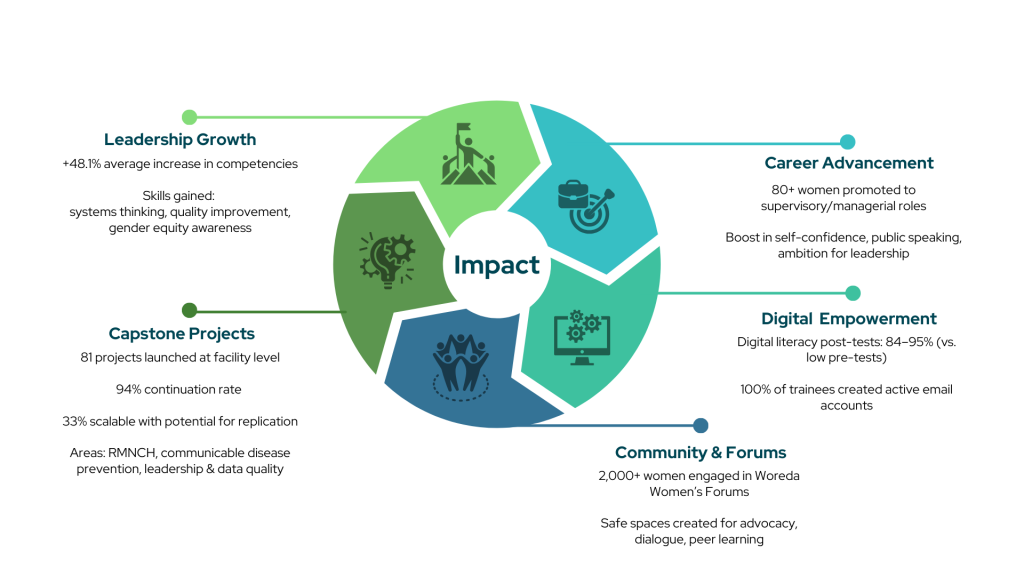
Over the past months, the Healers to Leaders initiative has reached 15 woredas across Afar, Amhara, Oromia, Sidama, and Somali regions. Our approach to leadership development is simple but powerful: build capacity, provide support, and create community.
After the forum and HIL training, my communication skills improved significantly. It gave me the confidence to express myself clearly.
Afar, Chifra
Jara Health Center
Thanks to the training I received, I can now stand confidently in front of anyone, something I never imagined before.
Afar, Chifra
Waama Health Center
The HIL training helped me to take a step forward. The encouragement and support I received played a crucial role in achieving the position I now hold. The forum and mentorship gave me a strong support system.
Amhara, Kalu
Degan Health Center
I used to underestimate my potential and even believed that leadership was something only men could do better. I realize now how wrong.
Oromia, Shebe
Kishe Health Center
I was asleep and I feel like I just woke up from a dream.
Sidama, Wensho
Fero Health Center
… after witnessing women in leadership roles and receiving mentorship, I began to question myself: “Both men and women graduate from the same colleges or universities with similar qualifications, so why did I lose my confidence?
Sidama, Wensho
Hunkute Health Center
I have grown into a person who embraces my feelings. In the past, I was very shy and hesitant to express my ideas in public. Now, I speak my thoughts with confidence, support my female colleagues, and actively raise awareness in the community about gender-based violence and women’s empowerment.
Sidama, Hawella
Galuko Herriye Health Center
Previously, I had a chance to assume a leadership role, but I refused to take it! However, my participation on the women’s leadership forum encouraged me to look inside myself
Somali, Gursum
Gorey Health CenterOver the past months, the Healers to Leaders initiative has reached 15 woredas across Afar, Amhara, Oromia, Sidama, and Somali regions. Our approach to leadership development is simple but powerful: build capacity, provide support, and create community.
Here’s what that’s looked like in practice:
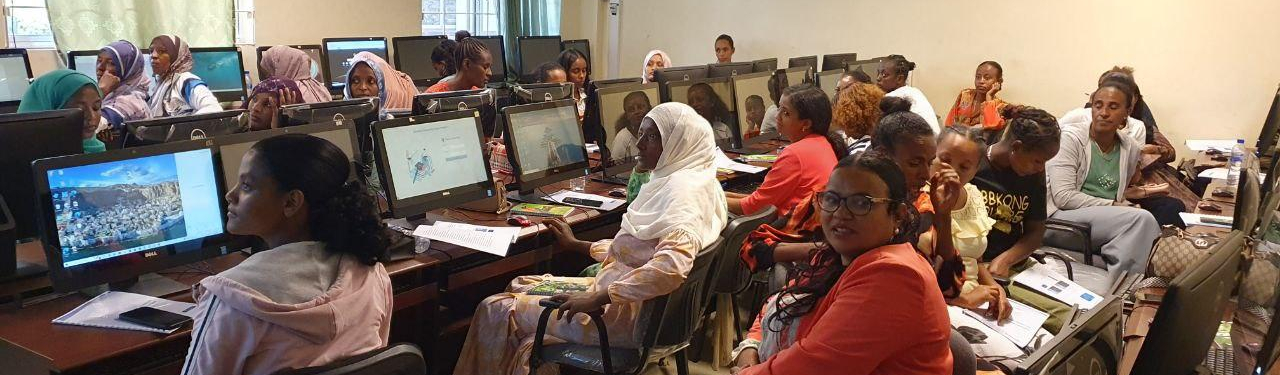
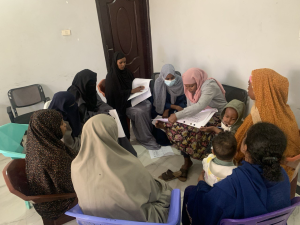
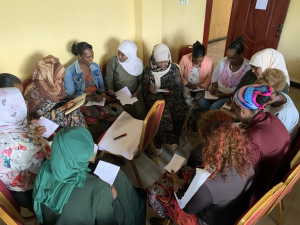
Two rounds were conducted, reaching 1,203 participants (1,143 of them women). These forums became safe spaces for reflection, confidence-building, and conversations about what it means to lead in real, lived contexts.
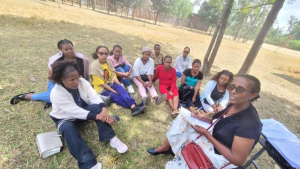
Five mentorship cycles matched women with leaders at regional and facility levels. These relationships offered practical support, encouragement, and new perspectives, helping women see themselves differently.
Six cohorts of 194 women participating in a four-part training series covering self-awareness, gender and leadership, governance, digital literacy, and health system thinking.
A dedicated Telegram-based network was established, providing a continuous platform for collaboration, resource sharing, and engagement among forum participants. They interacted regularly, with bi-weekly support from the MaMeLa team and monthly group audio or video calls.
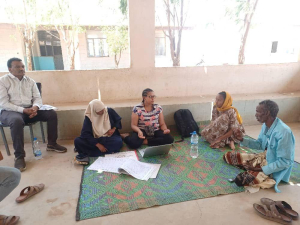
Between each training round, participants receive tailored, on-site coaching at their workplaces. Trained coaches work directly with them to turn learning into action. They provide guidance on planning and implementing capstone projects, help improve quality using national checklists. This ensures that leadership development moves beyond the classroom and into real, measurable improvements in healthcare delivery.
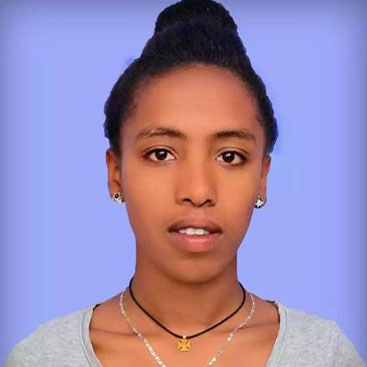
Anja Health Center, located in Shebe Woreda of Jimma Zone, Oromia Region, is currently led by Fetiya Oli, a 25-year-old diploma nurse who began her professional journey at the same facility. Despite her young age,...
Read More
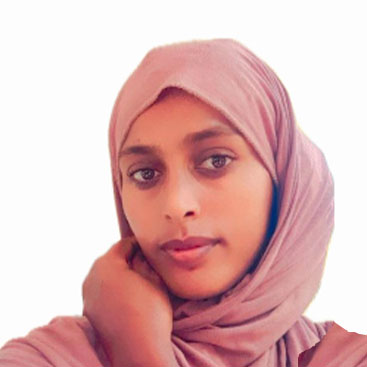
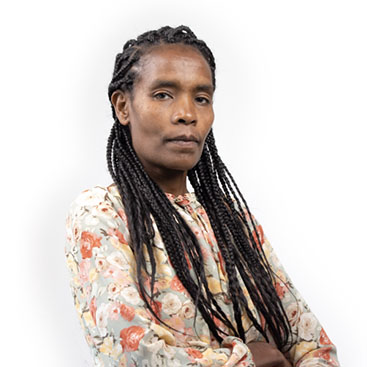
Kidist Letete, a 30-year-old healthcare professional from Sidama Region’s Aleta Wondo Woreda, serves at Wicho Health Center. Married and a mother of two, Kidist began her career as a Laboratory Unit Head before being promoted...
Read More
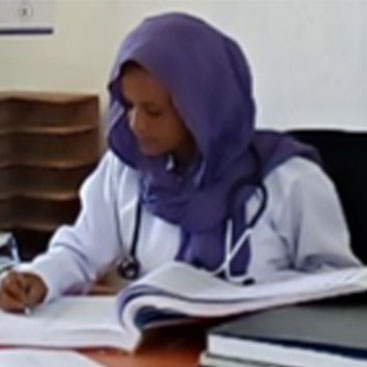
Kashech Bekele is 31 years old and works at Shebe Sombo Woreda as the Head of the Shebe Sombo Woreda Health Office. She is married and has two children. She has a total of 13...
Read MoreThe healthcare innovation landscape in Africa is characterized by a complex interplay of challenges, opportunities, and promising developments. While the continent grapples with significant health disparities and infrastructure gaps, there is a growing momentum towards leveraging innovation to address these challenges and improve healthcare delivery. This momentum has been further accelerated by the various challenges […]
Read MoreWomen’s leadership in Africa has evolved significantly, with increased participation in politics, business, and social sectors. From Ellen Johnson Sirleaf, the first female president of Liberia, to Ngozi Okonjo-Iweala, the Director-General of the World Trade Organization, African women are breaking barriers and reshaping the continent’s leadership landscape.Historically, patriarchal structures and cultural norms have limited women’s […]
Read MoreAfrica’s healthcare system is undergoing transformation, but inclusivity remains a challenge. A truly inclusive healthcare system ensures that all individuals, regardless of gender, socioeconomic status, or geographic location, have access to quality medical services. Building this system requires not just policy reforms but also a shift in mindset, emphasizing equity and representation across the healthcare […]
Read More