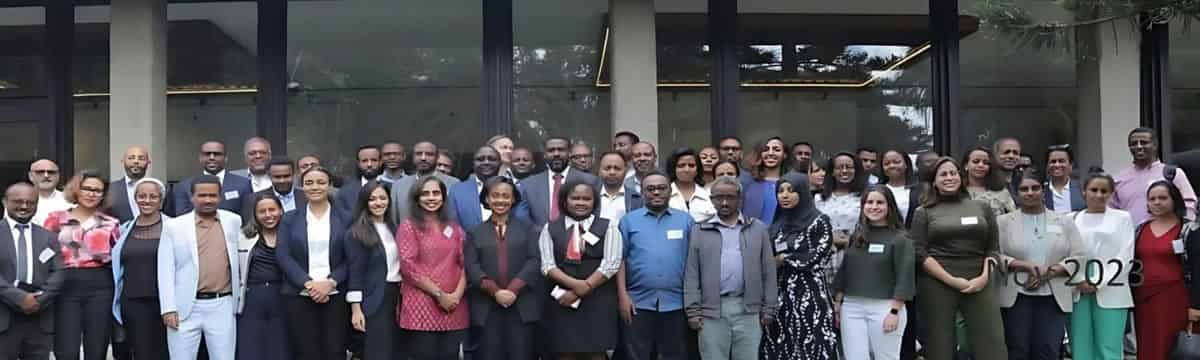
Women in Leadership in Africa: Progress and Challenges


Women’s leadership in Africa has evolved significantly, with increased participation in politics, business, and social sectors. From Ellen Johnson Sirleaf, the first female president of Liberia, to Ngozi Okonjo-Iweala, the Director-General of the World Trade Organization, African women are breaking barriers and reshaping the continent’s leadership landscape.Historically, patriarchal structures and cultural norms have limited women’s roles in leadership. However, strides have been made in recent years, with some African countries, like Rwanda, boasting the highest percentage of women in parliament globally. Rwanda’s success reflects a growing trend where women are assuming more prominent roles in decision-making, both at national and regional levels.Despite these gains, challenges remain. Gender inequality persists in many areas, with women often facing societal pressures and institutional biases that hinder their professional advancement. Access to education and economic opportunities remains unequal, with rural women disproportionately affected. Moreover, harmful stereotypes and cultural expectations continue to marginalize women in leadership positions.

Addressing these challenges requires a concerted effort from governments, businesses, and civil society to create more inclusive policies. Gender quotas, as seen in some African nations, have proven effective in boosting women’s representation. However, more robust mechanisms must be put in place to ensure these advancements are sustainable. Women in leadership need continuous mentorship, resources, and institutional support to thrive and drive long-term change.
Ultimately, empowering African women leaders is not just about equity but also about harnessing the continent’s full potential. Women bring diverse perspectives, innovative solutions, and community-centered approaches that are crucial for addressing Africa’s pressing challenges, from healthcare to economic development. By supporting and amplifying the voices of women leaders, Africa can achieve more inclusive and sustainable growth, ensuring a brighter future for all.

More Latest Articles, Insights & Industry Updates

Healthcare Innovation Landscape in Africa

The healthcare innovation landscape in Africa is characterized by a complex interplay of challenges, opportunities, and promising developments. While the continent grapples with significant health disparities and infrastructure gaps, there is a growing momentum towards leveraging innovation to address these challenges and improve healthcare delivery. This momentum has been further accelerated by the various challenges […]

Read More
Women in Leadership in Africa: Progress and Challenges

Women’s leadership in Africa has evolved significantly, with increased participation in politics, business, and social sectors. From Ellen Johnson Sirleaf, the first female president of Liberia, to Ngozi Okonjo-Iweala, the Director-General of the World Trade Organization, African women are breaking barriers and reshaping the continent’s leadership landscape.Historically, patriarchal structures and cultural norms have limited women’s […]

Read More
Building a More Inclusive Healthcare System in Africa

Africa’s healthcare system is undergoing transformation, but inclusivity remains a challenge. A truly inclusive healthcare system ensures that all individuals, regardless of gender, socioeconomic status, or geographic location, have access to quality medical services. Building this system requires not just policy reforms but also a shift in mindset, emphasizing equity and representation across the healthcare […]

Read More